Sofia Was 36 With a Newborn. Then Came the Triple-Negative Breast Cancer Diagnosis.
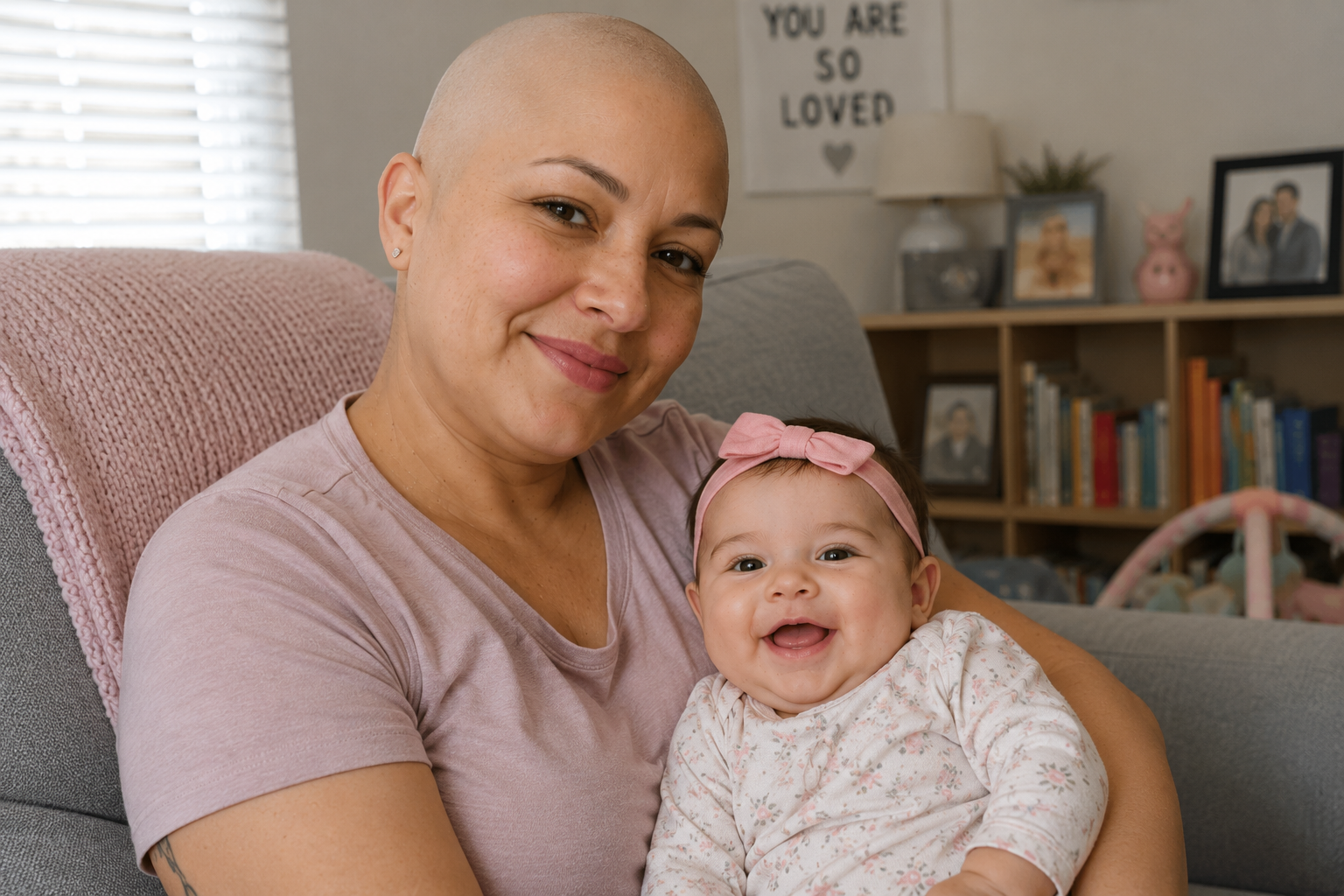
Sofia Morales’s daughter was eleven weeks old when the biopsy results came back.
She was sitting in her car in the hospital parking lot, her phone pressed to her ear, listening to her doctor say words she had been telling herself for three weeks were not going to be the words. The baby was in the backseat in her car seat, asleep, making the small rhythmic sounds that newborns make. Sofia watched her in the rearview mirror while the doctor talked.
Triple-negative breast cancer. Stage 3. Aggressive.
She did not cry until she got home. She did not want her daughter’s first memory of her mother — even a memory she would never consciously hold — to be the sound of crying in a parking lot.
Sofia was 36 years old. She had gone back for a follow-up mammogram after feeling a lump she had initially dismissed as a side effect of breastfeeding. It was not.
The Most Aggressive Form of Breast Cancer
Not all breast cancers are the same. Most respond to hormones — estrogen and progesterone feed their growth, which means hormone-blocking therapies can be used to starve them. Most also overexpress a protein called HER2, which gives oncologists another therapeutic target to aim at.
Triple-negative breast cancer has none of these characteristics. It is negative for estrogen receptors, progesterone receptors, and HER2. This means the most commonly used targeted therapies for breast cancer do not work against it. The primary weapon is chemotherapy — aggressive, systemic, and brutal.
Triple-negative breast cancer is diagnosed in approximately 10 to 15 percent of breast cancer patients. It is disproportionately common in younger women and in women of Hispanic and Black heritage. Sofia is both young and Latina. Her oncologist told her this was not a coincidence.
“She explained the biology to me very clearly,” Sofia says. “She wanted me to understand what we were dealing with. I appreciated that. I don’t do well with being managed. I need to know the truth so I can fight it properly.”
The truth was this: triple-negative breast cancer is harder to treat, more likely to recur in the first three years, and more likely to spread to distant organs than hormone-positive breast cancers. But it also responds to chemotherapy more dramatically when it does respond. And Sofia’s tumor, while large, had not yet spread to distant organs.
There was everything to fight for. So she started fighting.
Chemotherapy, a Newborn, and No Sleep
Sofia’s treatment plan was neoadjuvant chemotherapy — meaning chemotherapy before surgery, with the goal of shrinking the tumor enough to allow for less extensive surgery, or ideally to eliminate it entirely before the surgeon operated. She would receive four cycles of one chemotherapy combination, followed by four cycles of a second, more intensive combination. Then surgery. Then radiation. Then a year of immunotherapy.
Eighteen months of treatment. Her daughter would be almost two by the time it was over.
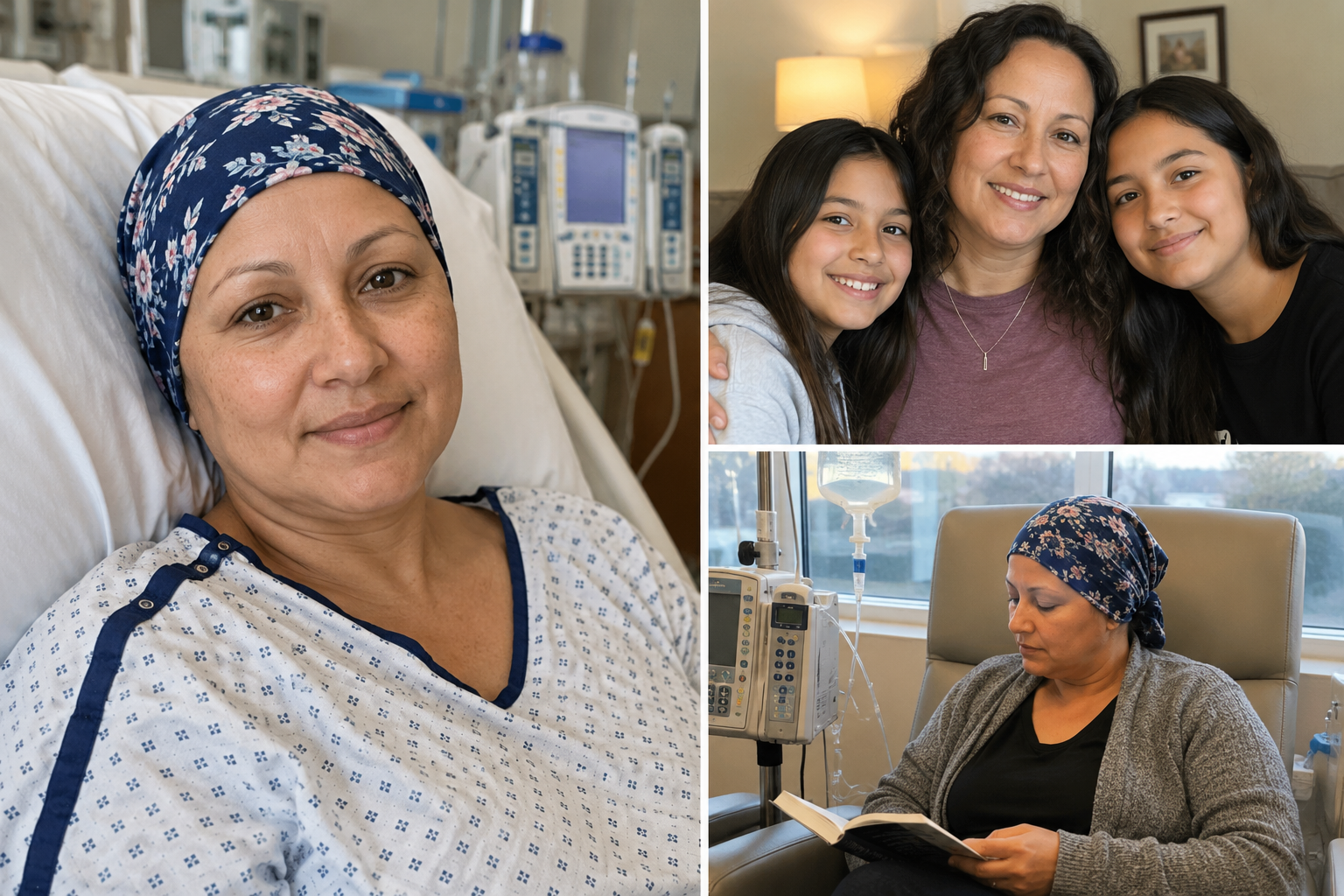
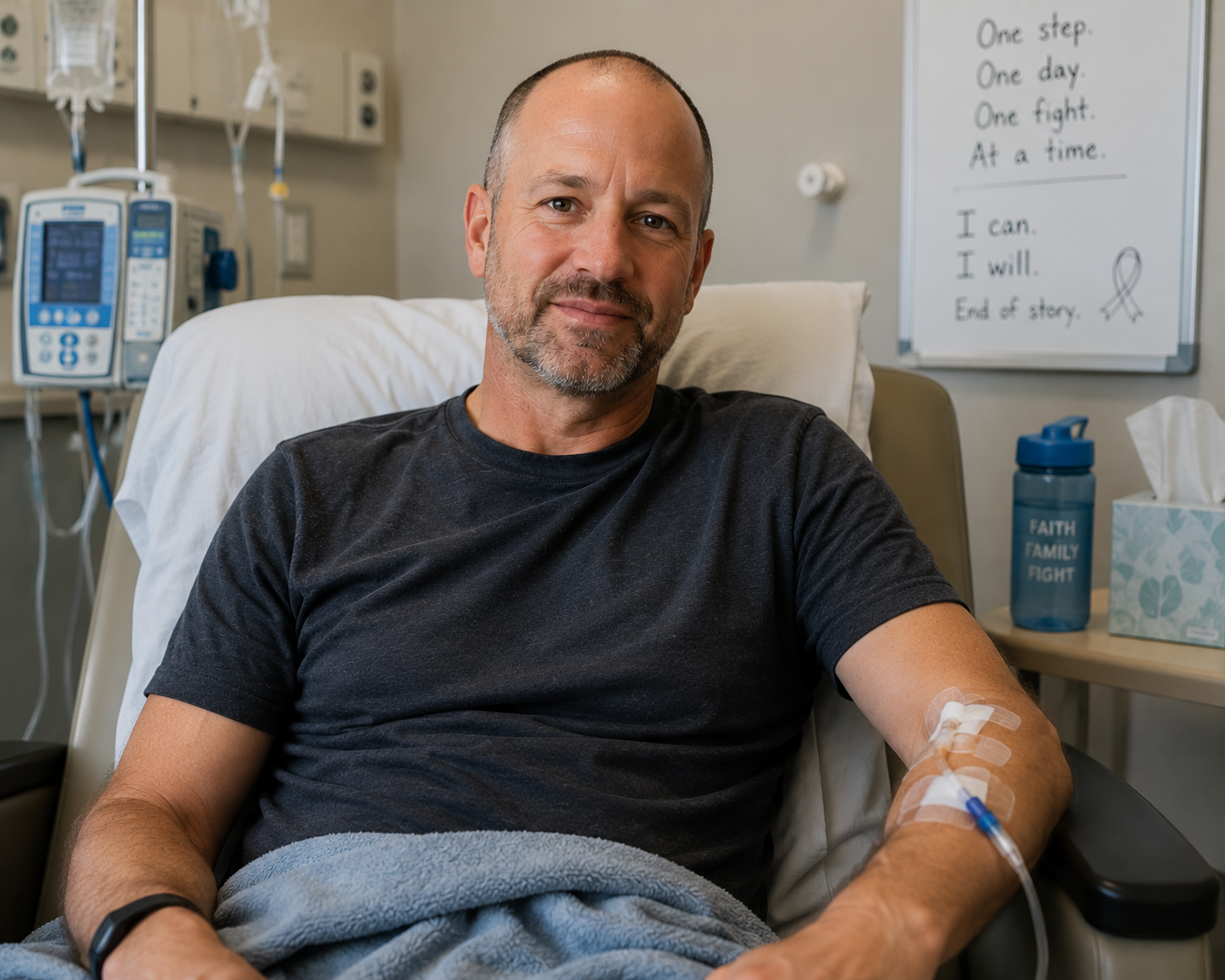
The first infusion was on a Tuesday. Her husband, Marco, drove her. Her mother came to watch the baby. Sofia sat in the infusion chair for four hours with a heated blanket over her lap and her phone in her hand, texting Marco updates from inside the treatment room while he waited in the car because the clinic’s visitor policy only allowed one person per patient.
“He sat in that parking lot for four hours,” she says. “Every Tuesday for sixteen weeks. He brought a book the second week. He never once complained.”
The side effects began within 48 hours of the first infusion. Nausea that medication controlled but never eliminated. Bone pain from the growth factor injections she needed to keep her white blood cell counts high enough to continue treatment. Fatigue that made the already exhausting reality of caring for a newborn feel like something from another dimension entirely.
She lost her hair on day seventeen. She shaved it herself, in the bathroom, while her daughter slept in a bouncer on the bathroom floor. “I wanted to do it on my own terms,” she says. “I wasn’t going to let it fall out in clumps. That was the one thing I could control.”
Her daughter reached for Sofia’s bald head one morning and patted it gently, the way babies pat things they find interesting. Sofia laughed until she cried.
Breastfeeding had to stop immediately at diagnosis. This was one of the losses Sofia had not anticipated grieving as deeply as she did. She had planned to breastfeed for a year. She managed eleven weeks. Her oncologist reminded her that a healthy mother was the most important thing she could give her daughter. Sofia knew this was true. She grieved it anyway.
Where Sofia Is Now
After her eighth chemotherapy cycle, Sofia had a repeat MRI and biopsy of the tumor site.
There was no residual invasive cancer detected. A complete pathological response — the best possible outcome from neoadjuvant chemotherapy. Her oncologist used the word “remarkable.” Her surgeon called it “exceptional.”
Sofia cried in a doctor’s office for the first time since her diagnosis.
She had a lumpectomy rather than the mastectomy that had originally been planned. The margins were clear. She completed radiation — twenty sessions over four weeks — and she is now eight months into her year of immunotherapy infusions, which she receives every three weeks at the same clinic where she sat in the infusion chair every Tuesday for four months.
Her daughter is fourteen months old. She walks now — a determined, slightly unsteady walk that makes everyone who sees it smile. She says “Mama” and “dada” and “no” and something that might be “dog” when she sees the neighbor’s golden retriever.
Sofia is back at work part-time as a graphic designer. She is tired in the way that people who have been through a year of chemotherapy are tired — a deep tiredness that coexists with an equally deep gratitude for being alive to feel it.
“I used to think I understood what mattered,” Sofia says. “I thought I had my priorities straight. I did not. You don’t know what matters until something tries to take it from you. Now I know. My daughter’s face in the morning. My husband’s hand. The really ordinary things. Those are everything.”
Help Sofia by sharing this story
Sharing costs nothing and could bring Sofia the support they need.
Be the first to leave a message
Share a word of support, encouragement, or solidarity below.